
Traktalkby Matthew Vita

Watchlist

When the work gets dense and screen fatigue hits, my multi-monitor setup takes over. Four or five displays stay active, one always running a movie or series to maintain rhythm and momentum.

Masshuu

Watchpulse

Jurassic World Rebirth

was a flat fossil, and even Scarlett could not dig it out.

Wu

Dark action, demon energy, and fate-tied boys, less sweet romance, more chaos.

Anime Reviews

Last updated 05/25/2026

From X-Men and Dragon Ball Z to Evangelion, Trigun and Cowboy Bebop, these are the stories that shaped how I see design and emotion.

I was genuinely impressed with One-Punch Man season one. It was ridiculous, silly, and far more comedic than my usual taste, but the curiosity worked. The satire had purpose. The animation had weight. I kept watching because it felt sharp, self-aware, and strangely memorable.

That curiosity carried me forward, all the way to season three, and honestly, I am surprised I even made it this far.

This review is for season three, and I have to ask: what animation was I watching, and what exactly was happening with this arc? The momentum is gone. The visual impact feels hollow. The story drags without tension, without payoff, and without anything that sticks. It is the kind of season you finish and immediately forget the next day.

Season three does not completely deserve one star in theory, but in execution, it earns it. It is not offensive. It is not disastrous. It is simply empty. And that might be worse. Unforunately, I have decided to stop watching.

SPY x FAMILY has been on my watchlist for years, and I have kept up with every season. I skipped the movies, mostly because I always lose track of where anime TV series end and movies begin, and I tend to see anime films as filler more than essential viewing.

That said, the series continues to entertain. The pretend family dynamic still works, and the charm has not worn off. I do find myself wondering when, or if, they will ever discover each other’s secrets at some point, especially the dog, who somehow knows more than anyone and says nothing.

Season three feels more focused, particularly on Anya. Her presence drives the emotional core more than before, and the story leans into her perspective with better balance. It is not a dramatic shift, but it is a steady, confident continuation that knows exactly what it is and does not overreach.

It may not surprise anymore, but it remains consistently enjoyable, and sometimes that is enough.

Boys Love (BL)

Last updated 05/25/2026

It began with Love of Siam and Eternal Summer, then found its spark again with KinnPorsche and Pit Babe. Every rating here comes from feeling, from stories that turned love into cinema.

It is rare that I discover something genuinely entertaining to watch in Chinese boys’ love, but Feel What You Feel caught me once again. It is raw, sensitive, slow, and very intentional in the way it shows two law school boys, Yu Lei and Chen Ke, trying to understand what they are to each other.

Is it friendship? Bromance? Love? That messy middle is where the series lives. Yu Lei and Chen Ke move like magnets. They chase each other when they need comfort, then run away when the feelings get too real. Their connection is awkward, soft, frustrating, and honest.

Zhang Han, Yu Lei’s sister, works like the emotional matchmaker. She sees what they refuse to admit and keeps pushing little hints until they finally start facing the truth.

Then there is Ouyang Han, who knows he likes guys and knows he likes Yu Lei. But Yu Lei is clearly feeling something deeper for Chen Ke. Once a classmate Li Ming steps in, the rivalry shifts, and honestly, Ouyang Han and Li Ming’s chemistry needs its own spin-off.

The series drags. But it feels intentional. Love here is not loud or perfect. It is confusion, silence, jealousy, distance, and looking a second too long.

That is why I kept coming back weekly. Feel What You Feel is simple, but not empty. Soft, but not weak. Yu Lei and Chen Ke are meant for each other, even before they know how to say it.

As I’m noticing, I’m discovering more Chinese boys’ love dramas that are pushing beyond the usual romance setup and expanding into stronger genre stories. Sammy’s Children’s Day is one of the few that really pulled me in.

Set in 1980s Hong Kong, during a time of triad chaos and police corruption, the story follows Xia Liu Yi, a dangerous and charismatic triad enforcer who moves through the neighborhood like he owns it. He is violent, chaotic, and constantly caught inside gang politics, street fights, and power struggles. He feels like the kind of man who survives through force, ego, and reputation.

Then he crosses paths with He Chu San, a university student whose life gets pulled into the underworld after Liu Yi draws him into a criminal scheme. After Liu Yi is injured, Chu San and his father become part of his life in a way neither of them expected. That connection changes both of them.

What makes their relationship work is the slow burn. Liu Yi is used to power, control, clubs, and women around him, so he refuses to accept that he could have feelings for another man. His ego fights against it hard. But Chu San sees through him. He knows there is something between them and keeps giving little hints, soft pushes, and quiet signs of love.

Over time, they protect each other, depend on each other, and show up when it matters. Their feelings build through danger, loyalty, and emotional tension rather than simple romance. When Chu San is taken and Liu Yi believes he may have lost him, his panic exposes everything he has been trying to deny.

That moment hits because Liu Yi finally understands the truth: Chu San is not just someone he wants to protect. He is someone he loves.

Thai Boys Love is back on my screen once more, and this time it comes with bicycles, three brothers, café vibes, and each of them trying to find love without crashing too hard. So this show is cute. Not perfect, but cute.

The story follows three adopted brothers running a bicycle café in Pattaya, and each brother has his own love story. So already, we’re dealing with a lot: trauma, healing, romance, family, café life, bike life — Love Like a Bike really said, “let me put everything in the basket.”

I was cycled into Nubnueung, who apparently does everything good, or at least acts like he knows what he is doing. He is a cyclist and works in mental health, then crashes into Sailom, who has trauma with being touched. I know the story is about fear of touch, but the acting sometimes felt a little too “autism-like,” which threw me off and made me question what the character was really dealing with.

But, like always, the side couples grabbed me more. DinDin and Tawan had that raw, messy energy I like. DinDin is rough, strong, broke, and trying to make money for his grandma’s home. Once we find that out, his character hits harder. And yes, that nighttime park scene? Wild, but I was seated.

Then there’s Sky and Nava. Sky is a host at a club, Nava buys his time through an auction, and somehow it turns into love. Sky quits hosting to be with him, but then Nava’s cancer storyline adds another heavy layer.

Overall, the series is traumatic and heavy with each couple’s struggles, but somehow still feels soft and light. It is not groundbreaking, but it has charm. Love Like a Bike is one of those BLs you watch when you want something pretty, sentimental, and sweet enough. Sometimes that is all we need.

I was very curious to see how Suppakarn would do in this new series after Your Sky. I thought his character there was interesting, and now seeing him in Thai boys’ love series Duang With You alongside a newer face, Wanpichit, who also appeared briefly in Your Sky, caught my attention right away.

At the center of the story, Wanpichit’s Duang is the one constantly chasing Qin for his love and attention. Qin, played by Suppakarn, is a mysterious loner and musician who prefers to do things on his own. The two slowly warm up to each other through spitballs, small accidents, and awkward little oops moments. Qin’s personality also feels shaped by his bad childhood experiences, which adds more depth to why he keeps people at a distance. Duang, on the other hand, is loud, a bit much at times, and outgoing, which makes their contrast work well together.

At the beginning, I expected the series to be cheeky, cringey, full of cuteness, and packed with the usual boys-quarrel clichés. And honestly, that is exactly how the first few episodes felt. It was cringey, but I found myself distracted in a good way by Chatchapon, who kept me locked in through to the end, especially with his flirting scenes.

By the end, I really enjoyed the season and the full cast, even though it can feel a little similar to Your Sky. Still, it stands on its own. I would love to see more of Suppakarn and Wanpichit in another series, but this time in bad-boy roles or with their usual dynamic flipped.

Maybe more of Chatchapon.

As usual, I have been following Kanaphan and Thanawat, so seeing them in Cat for Cash already had me curious from the start. Their presence was enough to pull me in, mainly because I wanted to see what kind of chemistry and rhythm they would bring to a story like this.

The plot is honestly very over-the-top, cheesy, and a little ridiculous, but that is also part of its charm. Thanawat plays Lynx, who returns to his mother’s home after learning of her death, only to find himself caught up in paying off her debt. That already sets up enough mess, but then the series pushes further by pairing him with a cat-loving man who can somehow hear cats speak, while the two work together at a café. It is absurd, playful, and fully aware of how silly it is.

After a few episodes, Kanaphan’s character feels very mellow, steady, and almost emotionally flat in a way that gives the series some balance. He keeps that straight-faced tone throughout, which works well against the more eccentric setup. As a pair, both Kanaphan and Thanawat feel relaxed here. Their dynamic is easy to watch, but it never really builds into anything especially electric or intense.

That is probably where the series lost a little impact for me. There is not much strong tension, emotional depth, or romantic pull driving it forward. Instead, it leans soft, light, and youthful. It feels like the kind of show younger fans, especially middle school viewers, would enjoy a lot because of its sweetness, simplicity, and approachable energy. For me, it was entertaining enough to keep going, but not strong enough to leave a lasting mark.

Overall, Cat for Cash is cute, silly, and easy to sit through, but it stays more surface-level than memorable.

Season 2 of Tide of Love picks up with the couple facing a new round of relationship tests while staying together in a more secluded villa. This time, the focus leans harder into trust issues, emotional pressure, and mind games, with an old friend stepping in to stir doubt between them. Across the episodes, it becomes a repetitive cycle of jealousy, anger, stripping, punishment, and then making up right after. The show keeps pushing intensity as if that alone will carry the story, but it starts to feel blurry and drawn out. For me, it was harder to stay attached to either the storyline or the characters because the season kept circling the same emotional pattern without offering much real growth.

With that, I’m tapping out if they decide to make another season.

Reloved plays with two parallel couples, both misunderstood in very different ways, but only one of them actually lands.

The first couple hinges on a classic miscommunication spiral. One assumes the other got a girl pregnant, never clears the air, and runs off calling it a breakup without real confrontation. It’s messy, but not in a compelling way. Their dynamic leans heavily into naïve reactions, cheesy beats, and emotional overacting. I never fully bought their connection, and it was hard to relate to their love or even their decisions.

The second couple is where the series finds its backbone. A prideful, wealthy company boss slowly softens when he becomes entangled with a photographer who sees straight through him and still chooses him anyway. That push and pull feels grounded. The chemistry is there. Their interactions feel lived-in, with a believable back-and-forth both within the story and emotionally beneath it.

I’ll admit it. I was more invested in the boss and photographer. Bias or not, their arc feels real. The tension builds naturally, the characters evolve, and their relationship carries weight. Ironically, the more “cliché” pairing ends up doing the heavy lifting for the series.

Even though the title suggests equal focus on being reloved, it’s clear which couple truly carries the narrative. The boss and photographer don’t just fit the role of main characters. They earn it.

If these two ever return in another series as the main leads, I’d be there without hesitation. Their chemistry, pacing, and emotional credibility prove they can carry a story on their own. Give them the right script, and I’ll gladly press play again.


This series features one of the popular BL couples I’ve grown to appreciate since Never Let Me Go. Me and Thee presents a calmer, more grounded, and stronger version of Phuwin, and I continue to be impressed by his acting. He plays a photographer who admires a man captured in shadowy photographs, someone he holds as inspiration, only to later meet him in person and discover he is a mafia boss.

Their connection follows a familiar hate to love setup, but it works within the tone of the story. There were moments when Naravit’s acting leaned into old, cheesy soap opera territory, which made me cringe at times. Still, it felt intentional, tied to his character’s loneliness within an extremely wealthy former mafia family and the influence of his mother, who literally lives in the world of soap operas.

Phuwin’s character stands out as thoughtful and grounded, caring for his younger sister and the children at an orphanage. That emotional contrast is where the story shines. What I truly appreciated most was the pacing, the overall storyline, and especially the visual language. The architecture and cinematic atmosphere are captivating, and the ending pulls everything together with quiet intention.

The Love Never Sets introduces a bold theme, and before forming any judgment, there is much worth acknowledging. At its core, the series takes on a rare and risky storyline for BL: a former adult-industry actor who survives sexual assault, leaves everything behind, and returns to university in an attempt to start over. It’s unexpected, timely, and closely aligned with the direction Thai Boys Love storytelling has been moving toward as it continues to break barriers. Adding to that intrigue is the shift we see in Ja Phachara’s acting partner, bringing a different dynamic that may surprise audiences familiar with his previous work.

Moving into the review itself, the series clearly leans toward a high school or early university audience. It navigates heavy themes such as abuse, manipulation, and forced power dynamics within an intense emotional framework. A controlling father who also serves as the school principal, a boyfriend who exploits vulnerability under the guise of desire, and a predatory teacher hiding behind marriage and authority all contribute to an environment that feels constantly pressurized. The subject matter is dark and, at times, uncomfortable, but the series does not shy away from showing the damage these situations cause.

The pacing is slow and occasionally testing, yet it feels appropriate for the story being told. The actors do well in carrying the weight of the storyline and conveying its emotional intent, but the performances rarely translate into a convincing sense of bond or emotional gravity between the leads. While individual moments land, the overall chemistry lacks the strength needed to fully elevate the material. By the time the couple reunites after the chaos, the resolution is predictable, but it feels earned rather than rushed, offering a sense of closure that fits the emotional journey.

Thundercloud Rainstorm leans into a romantic, clingy dynamic that I found more unattractive than endearing. The early relationship build up works. The confession feels sincere, supported by genuine care and emotional presence that makes the growing feelings believable.

After that, the story loses focus. The main character hides his family legacy at work, but the secret never matters. There is no reveal, no consequence, and no workplace tension to shape the relationship. A secondary conflict about refusing to sell a father’s house to avoid loneliness feels thin and repetitive. The emotional swings lead to a tidy happy ending that never quite earns its payoff.

The acting is solid, but the writing lacks depth. Whether it’s a cultural disconnect or weak storytelling, it did not work for me.

Tide of Love is a BL built around a domination fantasy. A wealthy top enters a month long contract that includes nightstands, living together, and total control. Stay in his house. Follow his rules. Listen to his commands. From the start, it’s less about romance and more about power.

And yes, you can see where this goes. What’s supposed to end after a month stretches longer as attachment kicks in and feelings blur into something like love. It’s clingy, but framed in a masculine, possessive way that the show clearly leans into.

It’s cheesy and unapologetic, riding the current trend of rough, raw gay romance. Dominance, intensity, and emotional dependency packaged as passion. The series is short and honestly entertaining if you’re into watching boys go at each other without expecting much depth.

Peach Trap starts off interesting and I was ready for the story to deepen, but the more it unfolded, the more disconnected I felt. Three guys circle around Do Ha for different reasons: the fired coworker who leans on him for empathy, the best friend who lives with him, and the cafe worker who flirts while playing some odd mind game. Yet Do Ha stays naive and barely reacts, which makes the whole setup feel cheesy fast. The cast is good looking, but his pouty delivery drags the tone down. Overall, it feels like an elementary BL aimed at fangirls, and I’ve moved past storylines where nothing actually builds or leaves anything to think about after each episode.

The Wicked Game opens with a clean hook. Than is a former police officer with a quiet, steady sense of discipline, the kind of character you trust the moment he appears. His path crosses with Pheem, the youngest heir of a powerful hospital family, when an attempted attack puts Pheem’s life at risk. Than reacts on instinct, pulls him out of danger, and ends up hired as his personal bodyguard.

From there the story tightens. The chemistry builds early. The danger keeps pressing in. The cracks in Pheem’s family start showing, and the tension around both men never lets up. Than stays grounded while Pheem shifts between charm, privilege, and trouble that always seems one step behind him.

I added Century Love to my list a while ago but never watched it. Seeing these two actors together here pulled me in for the first time, and their dynamic really works. They hold the story even when a few moments feel uneven.

Lover of Merman was a mixed experience for me. It wasn’t a favorite, but it did try something different. The overprotective best friend wanting to be more than a friend had some potential, and Nava being drawn to a human set up a decent contrast. The problem is the bigger story. The whole human versus merfolk idea never feels strong, and it turns into the usual conflict built around mermen not wanting relationships with humans. It stays weak and predictable all the way to the end.

There were moments of visual appeal and a couple of fun character dynamics, but it didn’t rise above that. Worth a look for curiosity, not much else.

The Story of Bihyung lands at a steady two and a half out of five. The setup looks solid at first, like a monitor that promises high resolution but still shows grain once you turn it on, and a goblin staying mad at his former lover who has no memory of their past life should pull you in, but it plays out messy and uneven. The human master returning to the present should have added emotional weight, yet the dynamic never fully settles.

They reach a happy ending, and I can appreciate that, but the path feels unusual even for BL. It aims for heartfelt moments, lands a few, but also slips into uncomfortable territory. It has enough charm to keep it watchable, just not enough to push it higher.

REVAMP

Harit Buayoi in Khemjira stood out beautifully. There’s something almost magical about his presence on screen. I hope to see him grow and take on more depth. The story itself is mildly interesting, but I stayed with this series to see how he would develop. That alone made it worth watching.

Chance Ying in Secret Lover started off in a familiar boys love setup, full of charm and light tension. As the series went on, he shaped his character into something more complex and lustful. His relationship with his best friend, Wang Jyun-hao, became the reason I kept watching. It moved from surface attraction to something deeper, more intense, and still beautifully lustful.

Natsakan Chairote (Than) in Knock Out carried quiet strength and deep emotion throughout the series. I was watching another boxer BL at the same time, yet this one stood out for its lighter mood and steady rhythm. The story follows a young man who loses everything and finds refuge in a Muay Thai gym, where he meets Than, a silent fighter hiding deep scars. Their growing bond gives the series its heart. I stayed with this story because of him and now look forward to seeing his next work in Boyy of God.

Revenged Love

Promotional image for the Perfect Crown review on By Matthew Vita.
Reviews

Perfect Crown

After seeing Byeon Woo-seok in Strong Girl Nam-soon and Record of Youth, I wanted to see him in a modern fantasy-romance role. He fits that elegant, controlled image well as Grand Prince I-an, even when the story plays it safe. Perfect Crown is predictable with royal pressure, fake marriage, trauma, and slow-burn romance, but the visuals do the heavy lifting. The cinematography, fashion, styling, and palace atmosphere kept me watching. Cliché, yes, but stylish enough to work.

Review banner image for Monarch on By Matthew Vita.
Reviews

Monarch

MonsterVerse still knows how to pull me back in through scale, mystery, and creature mythology. Season two brings bigger stakes with Titan X, Skull Island, APEX, rifts, and more family history tied to the Randas. Monarch: Legacy of Monsters works best when it leans into the Titans and the strange world around them. Cate’s connection with Titan X gives the season a stronger emotional layer, but the family drama starts to circle too much. The suspense stays active, the cast brings solid energy, and the MonsterVerse pull is still there. I just wish the story let the Titans breathe more than the chaos around the family.

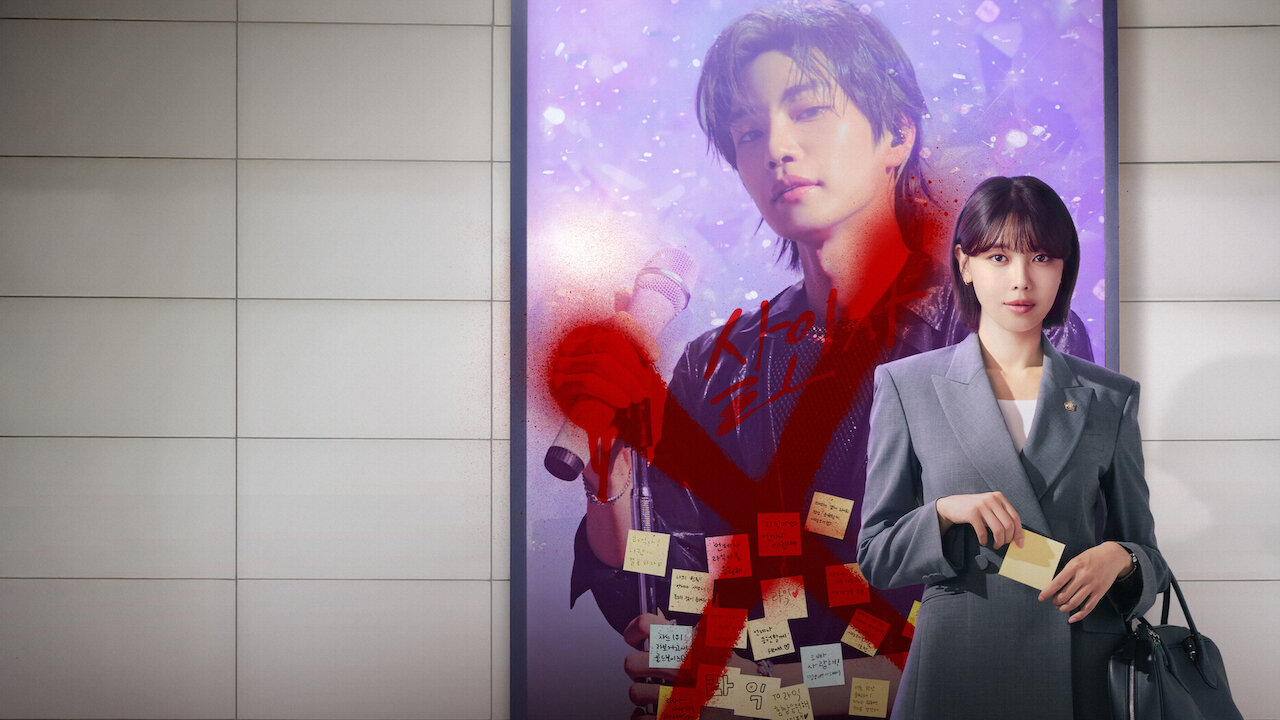
Banner image for the IDOL I review on By Matthew Vita.
Reviews

IDOL I

When Do Ra-Ik is accused of murdering his best friend, fame turns against him before the truth is clear. IDOL I works best through Mae Se-Na, a lawyer and longtime fan who takes his case with logic, not obsession. The mystery stays restrained, the romance stays secondary, and the drama keeps its focus on image, perception, and survival under public judgment. Quiet, sharp, and uncomfortable in the right way.

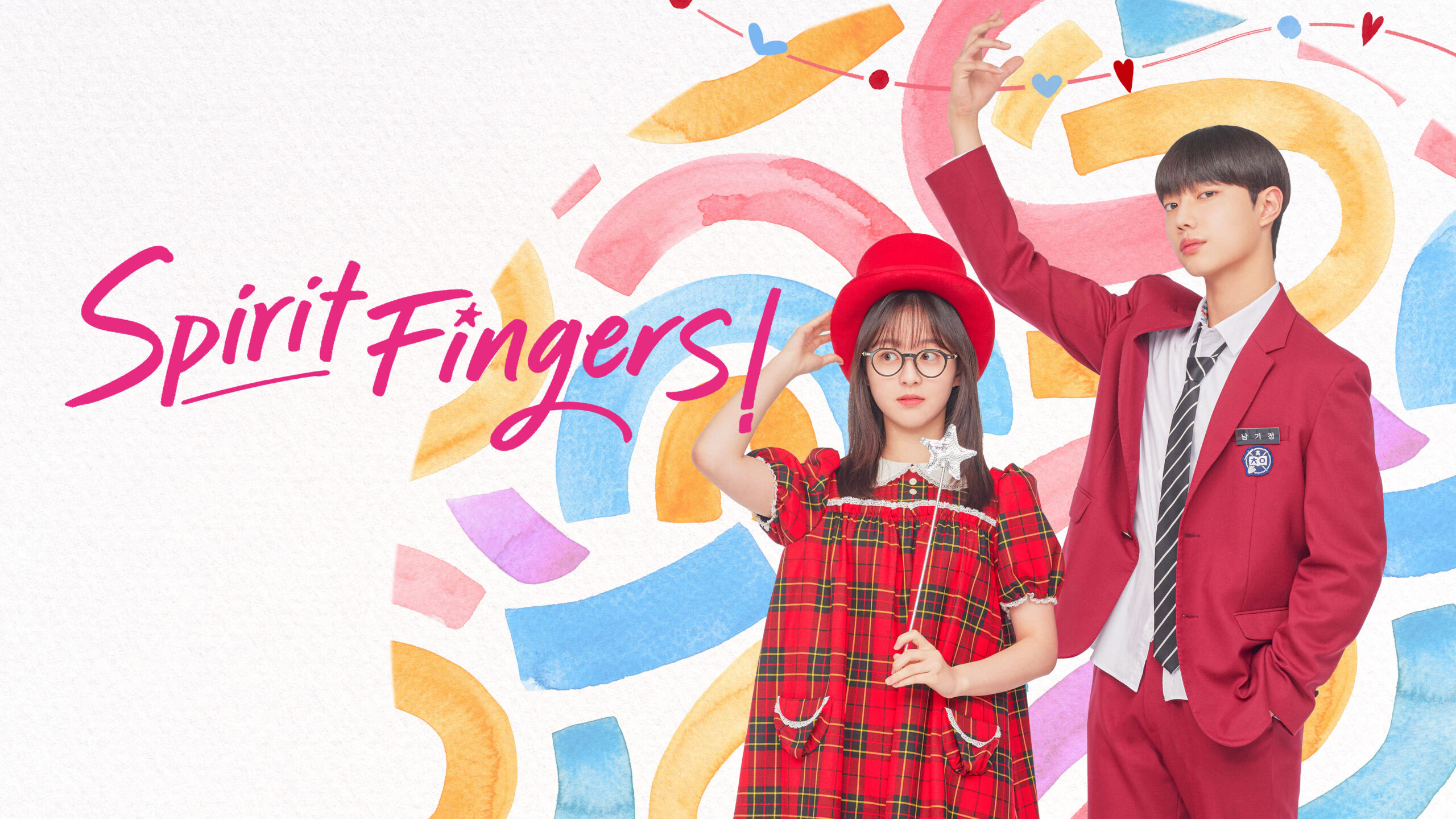
Review banner image for Spirit Fingers on By Matthew Vita.
Reviews

Spirit Fingers

I hit play expecting chaos and got pulled into something oddly magnetic. It’s loud, messy, unapologetically cheesy, and somehow self-aware. Plot threads pop up and disappear, dialogue swings big, and every episode feels like it’s daring you to bail. This is Spirit Fingers at its core. I didn’t. The visuals keep reeling you back in. Playful art direction, bold styling, and stylized photography give it a Webtoon heartbeat you can feel even before you realize where it came from.

Explore unparalleled design and photography, where creativity knows no bounds. Immerse yourself in a world of unique visuals and unforgettable experiences found nowhere else.